

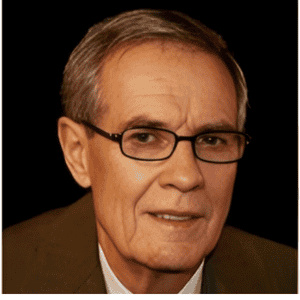
Andrew M. Lewis Jr
Center for Biologics Evaluation and Research, USAPresentation Title:
Evolution of the AGMK1-9T7 GLI1+ progenitor cells to become tumor cells and possibly cancer-stem cells
Abstract
We investigated the expression of various genes known to be associated with cancer stem cells for their involvement in the neoplastic evolution of our AGMK1-9T7 cell line from a non-tumorigenic status at passage (p)13 to a tumorigenic/metastatic status at p40 to p43. Among these genes are CD44, CD24, CD90, PODXL, three ALDH1A genes, as well as other genes and several miRNA genes. While CD24 and CD90 were not expressed by any passages of AGMK1-9T7 cells, CD44 was expressed in cells at p13, p23, p33, p43. The expression of PODXL was first detected as weakly expressed at p33 but was highly expressed at p43. Of the genes associated with cancer-stem-cell functions that we examined across this spectrum of neoplasia, 5 were up-regulated >2 fold and 10 were down-regulated >2 fold. The expression of the ALDH1A genes, which have been associated with cancer-stem cells, was investigated by the ALDEFLUOR assay in AGMK1-9T7 cells from p13 to p43. Using RT-qPCR, the ALDH1A2 gene was up-regulated in cells from p13 to p43. Twenty-seven of the 39 miRNAs reported to be associated with cancer-stem cells were expressed by the AGMK1-9T7 cells at different passages. From these data, we suggest that the AGMK1-9T7 cells are evolving from their non-tumorigenic state to become tumor cells and possibly cancer-stem cells by p43.
Biography
Andrew Lewis is a Principal Investigator in the Laboratory of DNA Viruses. He received his M.D. degree from Duke University in 1961 and worked as a scientist at the National Institute of Allergy and Infectious Diseases from 1963 to 1994. His work at the NIH focused on virology, the discovery of non-defective adenovirus-SV40 hybrids, and the ability of DNA viruses such as SV40 to induce neoplastic transformation of cells in tissue culture and cause tumors in rodents. Due to the concerns over the possible risks associated with the non-defective adeno-SV40 hybrid viruses, he was an active participant in the Asilomar Conference in 1975 that focused on the possible risks posed by laboratory experimentation involving recombinant DNA. He joined the CBER, FDA, in the Division of Viral Products in 1995 to focus on safety issues associated with the use of transformed cells as cell substrates for vaccine manufacture. At CBER, he first worked on the possible association between SV40 contamination of early polio vaccines and subsequent tumor development in humans, which had implications for the safety of continuous cell lines for viral vaccine manufacture. He became Chief of the Laboratory of DNA Viruses in the late 1990s. He and others initiated a program to study the tumorigenic potential of transformed cells used during the production of new vaccines. These data were presented at the FDA advisory committee meeting in 2000. This committee encouraged him and his lab to pursue this project further to identify and characterize the basic biological processes that allow VERO cells to develop the capacity to form tumors. The lab has continued these studies for the past 20 years and has developed what may represent a hypothetical model of neoplasia in tissue culture.

Organization Location
1309 Coffeen Avenue, STE 1200, Sheridan, Wyoming 82801, USA
Mail us at
Drop us an email for Program enquiry
breastcancer@scientexconferences.com
General Queries
contact@scientexconferences.com
Registration Enquiry
finance@scientexconferences.com
breastcancer@scientexevents.org
Our Social Presence
Call us at
Whatsapp : (+1) 914 520 5013