

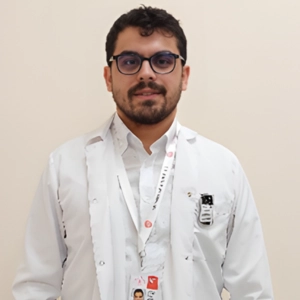
Harun Demir
Konya City Hospital, TurkeyPresentation Title:
Stereotactic radiotherapy for brain metastases from non-small cell lung cancer: Clinical outcomes and prognostic factors
Abstract
Objective: To evaluate clinical outcomes, local and distant intracranial control rates, and prognostic factors following stereotactic radiotherapy (SRT) in patients with brain metastases (BM) from non-small cell lung cancer (NSCLC).
Methods: Forty-six patients treated at our center were retrospectively analyzed between January 2022 and June 2025.
Results: The study cohort had a median age of 63 years (range: 45–86), with a male predominance of 80.4%. At the time of presentation, a Karnofsky Performance Status (KPS) of 90–100 was observed in 65.2% of patients. Histopathologically, adenocarcinoma was the most frequent subtype, accounting for 54.3% of cases. While the primary tumor was controlled in 60.9% of the patients, 28.3% presented with uncontrolled extracranial disease. Regarding prior systemic interventions, 58.7% of the patients had not received any systemic treatment, whereas 37.0% had undergone chemotherapy, and a smaller fraction received targeted therapy (2.2%) or immunotherapy (2.2%).
Neurological symptoms were present in 60.9% of the patients before the initiation of stereotactic radiotherapy (SRT). Brain metastases (BM) were synchronous in 54.3% of the cases, and the majority of patients (65.0%) presented with a single lesion. The median interval between the diagnosis of BM and the administration of SRT was 2 weeks (range: 0–7 weeks). The most frequent anatomical localization for metastases was the parietal lobe (37.0%). The median diameter of the treated lesions was 22 mm (range: 5–41), with a median planning target volume (PTV) of 9.2 cc (range: 1.1–118). SRT was delivered at a median dose of 24 Gy (range: 10–30 Gy) in a median of 3 fractions (range: 1–5).
Following a median follow-up period of 9 months (range: 2–52 months), the mortality rate was 78.3%, and the median overall survival (OS) post-SRT was 10 months (95% CI: 5.8–14.2 months). Initial treatment response, assessed via RANO criteria, revealed a complete response in 30.4% of patients, a partial response in 41.3%, and disease progression in 10.9%. Local recurrence was observed in 21.7% of the cohort. Salvage treatments for these cases primarily included surgery (40.0%), whole-brain radiotherapy (WBRT) (30.0%), and repeat SRT (10.0%). Although the median local progression-free survival (LPFS) was not reached, the mean LPFS was 35.9 months (95% CI: 27.5–44.3 months). Multivariate analysis identified a metastasis diameter >2 cm (HR: 7.46; p=0.016) and a BED10 ≤45 Gy (HR: 5.38; p=0.037) as independent negative prognostic factors for local recurrence. Additionally, univariate analysis indicated that supratentorial localization (p=0.072) and BED10 >45 Gy (p=0.073) had borderline associations with improved local control.
Distant brain recurrence developed in 52.2% of patients, with SRT (45.8%) and WBRT (45.8%) serving as the most common salvage modalities. The median distant intracranial progression-free survival (DIPFS) was 10 months (95% CI: 7.2–12.8 months). Univariate analysis demonstrated a significant association between female sex and shorter DIPFS (p=0.012), while a metastasis count of 2–4 and a low KPS showed borderline associations with distant recurrence. In the multivariate model, female sex (HR: 2.88; p=0.032) and a metastasis count of ≥2 (HR: 2.53; p=0.029) were confirmed as independent negative prognostic factors for DIPFS.
Conclusion: SRT provides effective local control in BM derived from NSCLC; tumor diameter, BED dose, and the number of metastases were identified as significant prognostic factors.
Biography
Harun Demir was born in 1993 in Kırıkkale, Türkiye. He graduated from the Faculty of Medicine at Gazi University in 2017. He completed his residency in Radiation Oncology at Kartal Dr. Lütfi Kırdar City Hospital between 2018 and 2023 and currently works as a Radiation Oncologist at Konya City Hospital. His research interests focus on stereotactic radiotherapy, brain metastases, and geriatric oncology. He has authored several articles published in SCI/SCI-E indexed journals and has presented multiple oral presentations at national oncology congresses. He is a member of the Turkish Society for Radiation Oncology.

Organization Location
1309 Coffeen Avenue, STE 1200, Sheridan, Wyoming 82801, USA
Mail us at
Drop us an email for Program enquiry
breastcancer@scientexconferences.com
General Queries
contact@scientexconferences.com
Registration Enquiry
finance@scientexconferences.com
breastcancer@scientexevents.org
Our Social Presence
Call us at
Whatsapp : (+1) 914 520 5013