
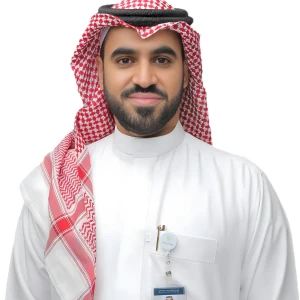
Loai Albinsaad
Assistant Professor at king Faisal University, Saudi ArabiaPresentation Title:
Effectiveness of tachosil as sealant in lymphatic leakage of breast carcinoma with axillary dissection: original article
Abstract
Objectives: This study aims to evaluate the effectiveness of Tachosil in controlling lymphatic leakage in breast cancer patients undergoing axillary dissection. By examining its ability to reduce post-surgical lymphatic drainage, the study will assess its impact on complications like seroma formation, recovery time, and overall patient outcomes, including quality of life and reduced healthcare costs.
Methods: Breast cancer patients treated in the Department of Surgical Oncology at King Abdulaziz Medical City were enrolled to receive either Tachosil or undergo drain placement after axillary dissection. Repeated measures MANOVA was used to observe the difference in lymphatic drainage volume over time considering other covariates, such as age, sex, family history, neoadjuvant chemotherapy (NAC), and stage.
Results: The Tachosil group showed significantly lower lymphatic drainage volumes at 24 hours (106.5 ± 11.3) than the control group (141.7 ± 13.0) (p<0.001). There were no significant differences in lymphatic drainage volume at 3 days (p=0.176) and 7 days (p=0.091). However, at 10 days, the Tachosil group exhibited significantly lower lymphatic drainage volume (19.9 ± 6.1) than the control group (44.5 ± 9.2) (p<0.001). Repeated measures MANOVA showed a statistically significant difference in lymphatic drainage over time, with a moderate effect (p<0.001).
Conclusion: The findings suggest that Tachosil sealant effectively reduces early postoperative lymphatic drainage volume and maintains lower drainage rates up to 10 days following axillary dissection in breast carcinoma patients. The use of Tachosil sealant may have potential benefits in reducing the incidence of complications associated with lymphatic drainage and improving patient outcomes.
Biography
Dr. Loai Al-Binsaad is an Assistant Professor at King Faisal University and a consultant surgeon specialized in breast and endocrine surgery. He completed advanced fellowship training in Breast and Endocrine Surgery in South Korea, gaining extensive experience in the surgical management of breast diseases, thyroid and parathyroid disorders, and endocrine malignancies.

Organization Location
1309 Coffeen Avenue, STE 1200, Sheridan, Wyoming 82801, USA
Mail us at
Drop us an email for Program enquiry
breastcancer@scientexconferences.com
General Queries
contact@scientexconferences.com
Registration Enquiry
finance@scientexconferences.com
breastcancer@scientexevents.org
Our Social Presence
Call us at
Whatsapp : (+1) 914 520 5013