
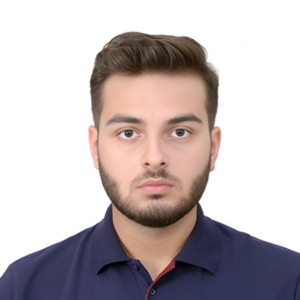
Muhammad Hasnain Mankani
Medical College, Aga Khan University, Karachi, PakistanPresentation Title:
Therapeutic Immunomodulation in Cardiovascular Disease: Anti-inflammatory Strategies and Landmark Trials
Abstract
Cardiovascular diseases (CVDs) are the leading cause of death across the world, resulting in a significant number of deaths each year. It has become clear that, alongside traditional risk factors, inflammation and immune dysregulation play a key role in the progression of these diseases. This review explores the new domain where immunology meets cardiology, particularly the bidirectional relationship between immunotherapy and CVDs. Treatments such as immune checkpoint inhibitors (ICIs) and chimeric antigen receptor (CAR) T-cell therapy were originally developed for cancer and autoimmune illnesses. They are currently under evaluation both for their potential applications in CVD and for the cardiotoxic effects associated with their administration. Mechanistic insights from translational research show that a complex interplay between cytokine signalling, autoimmunity, and vascular injury determines both the therapeutic benefit and toxicity. Not only this, but recent evidence has found that the use of anti-inflammatory drugs, such as interleukin-1 (IL-1) inhibitors and colchicine, notably reduces cardiovascular events, marking a shift towards immune-targeted therapies.
However, the immune-mediated life-threatening conditions like myocarditis and vasculitis still exist, necessitating the need for better risk stratification and collaboration between cardiology and oncology. Future research might be directed towards using biomarker-guided monitoring, new classes of immunomodulators, and an overall precision-based approach to achieve both effectiveness and safety. Immunotherapy serves as a promising paradigm shift in cardiovascular medicine, linking two different fields in a way that redefines disease prevention and management.
Biography
Muhammad Hasnain Mankani is a final-year medical student at the Aga Khan University Medical College, Karachi, Pakistan, with a strong academic and clinical foundation and a focused interest in clinical outcomes research, cardiovascular medicine, surgery, and population-level data analysis. He has received multiple academic distinctions, including clinical and basic science honours and merit-based scholarships, reflecting consistently high academic performance throughout medical school. His research portfolio includes several peer-reviewed publications in international indexed journals, encompassing systematic reviews, meta-analyses, original research, and narrative reviews across cardiology, transplantation, inflammatory disorders, and health policy.
His work addresses clinically relevant questions such as optimization of antiplatelet therapy following percutaneous coronary intervention, long-term kidney allograft survival using large national databases, and safety outcomes of commonly used pharmacologic interventions. He has also presented original research at national scientific meetings and international forums. In addition to completed publications, He is actively involved in multicentre and international collaborations, including prospective cohort studies and advanced meta-analyses, working with faculty from Pakistan, the United States, and the United Kingdom. He has received formal training in responsible conduct of research and patient safety. Alongside his research, he has gained significant clinical exposure through electives and sub-internships in cardiology and surgical specialties.

Organization Location
1309 Coffeen Avenue, STE 1200, Sheridan, Wyoming 82801, USA
Mail us at
Drop us an email for Program enquiry
breastcancer@scientexconferences.com
General Queries
contact@scientexconferences.com
Registration Enquiry
finance@scientexconferences.com
breastcancer@scientexevents.org
Our Social Presence
Call us at
Whatsapp : (+1) 914 520 5013